
 Nasal SprayFrom $166/mo
 InjectionFrom $166/mo
 Medically reviewed by Vanessa Niles, R.N., M.D., F.A.C.O.G. —
Definition
Intranasal administration, in plain English
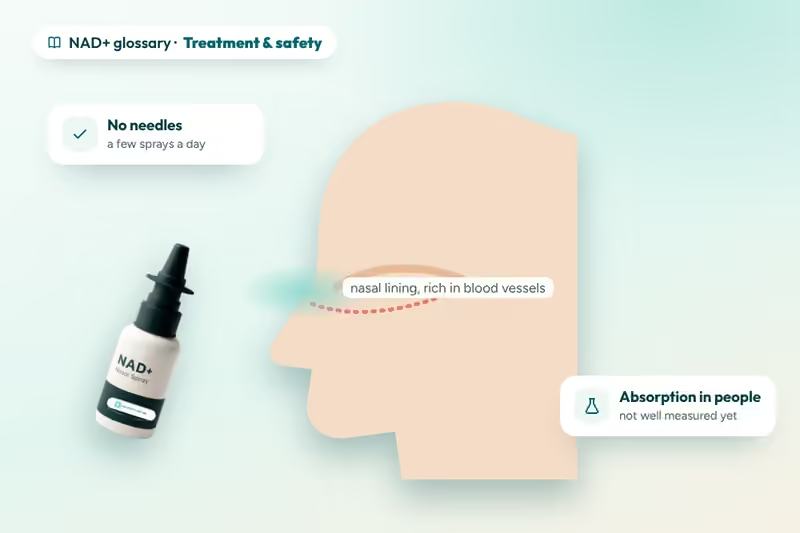
The inside of the nose has a thin lining rich in blood vessels, so some medicines can be absorbed there without a needle. Others, like many allergy sprays, act right in the nose.
Technique matters. MedlinePlus advises blowing your nose gently before using a spray; for NAD+, follow the steps on your pharmacy label and from your provider.
- Route
- Through the nasal lining
- Needles
- None
- Used for
- NAD+ nasal spray
How it connects
How intranasal administration relates to NAD+
How much NAD+ reaches the bloodstream after nasal use hasn't been well measured in people; studies of intranasal NAD+ are few and small.
For your treatment
What intranasal administration means for NAD+ therapy
Nasal spray suits people who'd rather avoid needles. Common side effects include stinging, dryness, sneezing or a runny nose.
- Free online consultation with a licensed U.S. provider
- NAD+ nasal spray or injection, plans from $166 a month if prescribed
- NAD+ has no FDA-approved use; compounded NAD+ isn’t FDA-approved
Questions
Intranasal administration: common questions
What is intranasal administration?
Intranasal administration means giving a medicine as a spray into the nose, where it's absorbed through the nasal lining. It's how NAD+ nasal spray is used.
Is nasal NAD+ as effective as injections?
They haven't been compared head to head in trials, so no one knows.
Why does the spray sting?
Stinging or irritation is common at first and often eases. Tell your provider if it doesn't.
What strengths does NADMedics prescribe?
Nasal spray: 30 mg per 0.1 mL in a 15 mL bottle. Injection: 200 mg/mL in a 5 mL vial. Your provider sets your dose.
How do I report a side effect?
Tell your provider, and you can report it to the FDA's MedWatch program. Call 911 for chest pain or trouble breathing.
Do I need a prescription for NAD+?
Yes. Compounded NAD+ requires a prescription from a licensed provider after a review of your health.
Keep learning
Related NAD+ terms
Terms that connect to intranasal administration, each explained on its own page.
- Treatment & safetySubcutaneous injectionA subcutaneous injection is a shot into the fatty layer just under the skin, usually in the belly or thigh, with a short, thin needle. It's how at-home NAD+ injections are given.
- Treatment & safetyBioavailabilityBioavailability is how much of a medicine, and how fast, reaches the bloodstream or the place where it acts. It differs by route: IV, injection, nasal spray or by mouth.
- Treatment & safetyNAD+ IV infusionAn NAD+ IV infusion delivers NAD+ straight into a vein through a drip, usually over several hours in a clinic. It's different from the at-home nasal spray and injections NADMedics prescribes.
- Treatment & safetyCompounded medicationA compounded medication is a drug mixed or altered by a licensed pharmacist for an individual patient. Compounded drugs, including compounded NAD+, aren't FDA-approved.
Guides that cover intranasal administration
- NAD+ Nasal Spray vs Injection: Which Delivery Method Wins?NAD+ nasal spray or injection? Compare how each is used, side effects, needles, convenience and evidence, and see why neither has been proven better.NAD+ nasal spray
- Does Insurance Cover NAD Injections? What You Need to KnowDoes insurance cover NAD+ injections? Usually not. See why compounded NAD+ is rarely covered, what Medicare rules say and whether an HSA or FSA may help.Getting started
- NAD+ Nasal Spray Dosage: How Much Should You Really Use?How much NAD+ nasal spray should you use? Learn how sprays per day are set, how to work out mg per spray from your label and how to use the pump right.NAD+ nasal spray
Official sources
Intranasal administration: sources and official resources
Official government and research sources behind this page, so you can check the facts yourself.
- MedlinePlus (National Library of Medicine)How to Use Nasal Sprays
General steps for using a nasal spray correctly.
- U.S. Food and Drug AdministrationCompounding and the FDA: Questions and Answers
What compounded medicines are and why they aren't FDA-approved.
- U.S. Food and Drug AdministrationMedWatch: The FDA Safety Information and Adverse Event Reporting Program
Where patients can report side effects or problems with a medicine to the FDA.
- NIH PubMedNAD+ therapy in age-related degenerative disorders: a benefit/risk analysis (2020)
Weighs early promise against the lack of long-term human trials.
Medically reviewed by Dr. Vanessa Niles, R.N., M.D., F.A.C.O.G., on October 12, 2026. This glossary is general education, not medical advice. NAD+ has no FDA-approved use, and compounded NAD+ is not FDA-approved or evaluated by the FDA for safety or effectiveness. Talk with a licensed provider before starting any supplement or treatment.
Questions about NAD+? Ask a provider
Book a free online consultation. A licensed U.S. provider reviews your health and, if NAD+ fits, prescribes the nasal spray or injection, with plans from $166 a month.
Book a free consultation