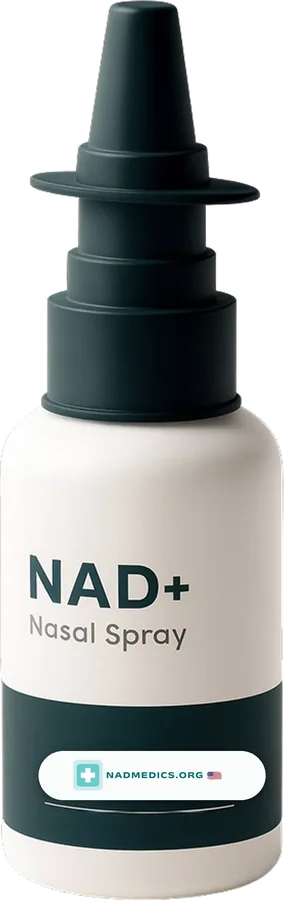
 Nasal SprayFrom $166/mo
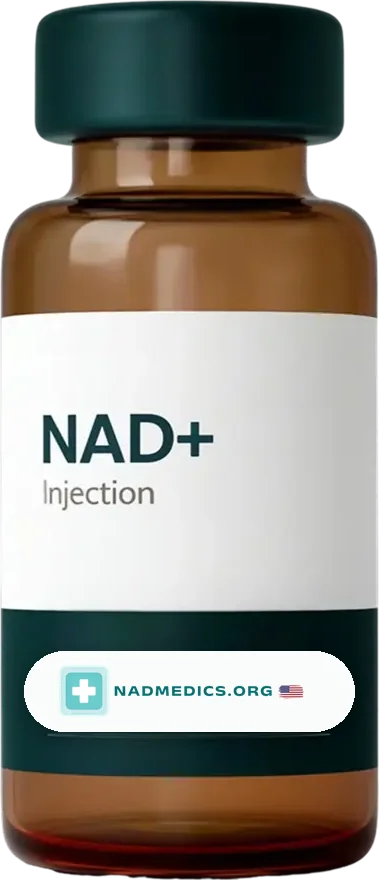 InjectionFrom $166/mo
Parkinson's disease
In the NADPARK trial, 30 people with Parkinson's took oral NR for 30 days. Brain NAD rose and NR was well tolerated; larger trials are needed to know if it helps symptoms.
Research, not approved treatments
NAD+ isn't approved to treat any condition. Here's where it's being studied, what the early results are, and the situations where NADMedics providers won't prescribe it.
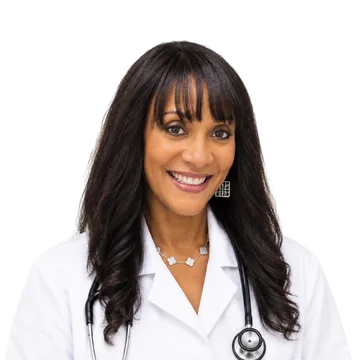 Medically reviewed by Vanessa Niles, R.N., M.D., F.A.C.O.G. —
Being studied
Most of these trials used precursors taken by mouth, not the NAD+ injections or spray we offer.
In the NADPARK trial, 30 people with Parkinson's took oral NR for 30 days. Brain NAD rose and NR was well tolerated; larger trials are needed to know if it helps symptoms.
In people with heart failure with reduced ejection fraction, oral NR roughly doubled whole-blood NAD+ and appeared safe. Effects on heart function weren't established.
Ten weeks of oral NMN increased muscle insulin sensitivity by about 25% in women with prediabetes, per an NIH summary. It didn't test diabetes prevention.
Oral NMN raised blood NAD in older men and middle-aged adults, with nominal or modest changes in walking and grip measures. Results are early.
In a crossover trial of oral NADH, 8 of 26 people responded compared with 2 of 26 on placebo. The study was small and hasn't settled the question.
A 2026 study tested intranasal NAD+ in human olfactory stem cells and mice with smell loss. There are no human trials yet.
Keep perspective
A small, short trial can show a molecule is safe enough to study further, or that it changes a lab marker. It takes larger trials to show it improves a condition.
A 2020 benefit/risk review of NAD+ therapy called for exactly that: more long-term human research. See our benefits page for what the evidence supports today.
These don’t automatically rule NAD+ out, but your provider needs to know:
Questions
NAD+ isn't FDA-approved to treat any condition. Research is early, and it shouldn't replace treatment from your doctor.
No. Never stop or change a prescribed treatment without your doctor. Tell your NADMedics provider about every condition and medicine.
They're precursors the body turns into NAD+ and are easy to take by mouth. Trials of NAD+ injections or spray are very limited.
NAD+ isn't FDA-approved for this or any use, and it should never replace medical treatment for substance use. SAMHSA's National Helpline (1-800-662-4357) offers free, confidential support 24/7.
Interactions haven't been well studied. Tell your provider about every medicine you take, including diabetes medicines.
Discuss it with your provider and your oncologist first. NADMedics doesn't prescribe NAD+ during active cancer treatment without the oncologist's agreement.
Keep learning
Official sources
Official government and research sources behind this page, so you can check the facts yourself.
Phase I trial: oral NR raised brain NAD levels and was well tolerated.
Pilot trial: NR roughly doubled whole-blood NAD+ and appeared safe.
10-week randomized trial of oral NMN.
NIH summary of the 2021 NMN trial in women with prediabetes.
12-week trial of 250 mg/day oral NMN in men 65 and older.
60-day randomized trial of 300, 600 and 900 mg/day oral NMN.
Small placebo-controlled crossover trial of oral NADH.
Laboratory and mouse study of intranasal NAD+; not a human trial.
Weighs early promise against the lack of long-term human trials.
What compounded medicines are and why they aren't FDA-approved.
Medically reviewed by Dr. Vanessa Niles, R.N., M.D., F.A.C.O.G., on October 12, 2026. This page summarizes research and is not medical advice. NAD+ has no FDA-approved use and is not a treatment for any disease.
A licensed provider reviews your health at a free online consultation. If NAD+ is appropriate, plans start from $166 a month.
Book a free consultation