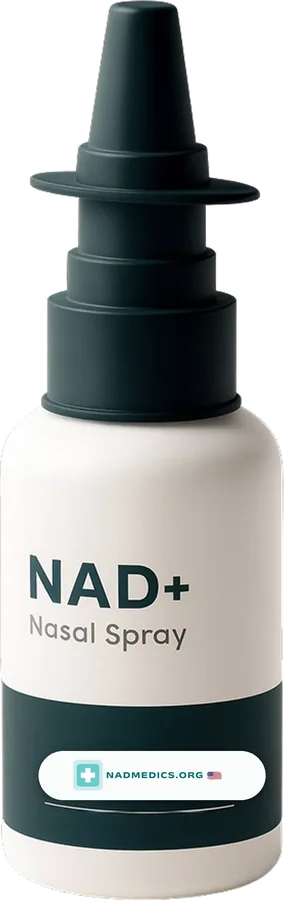
 Nasal SprayFrom $166/mo
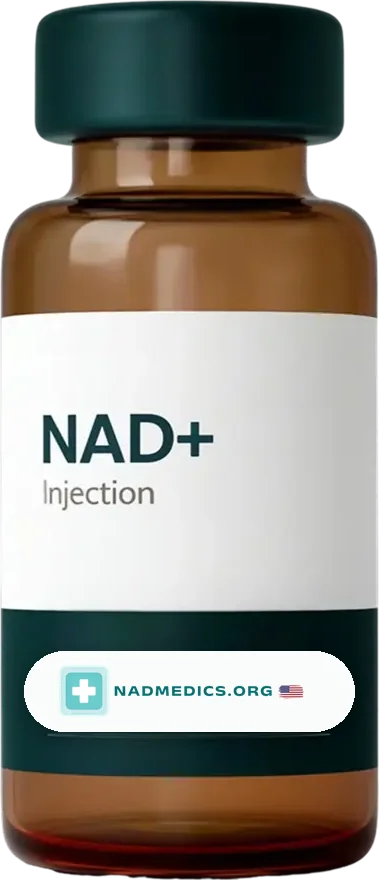 InjectionFrom $166/mo
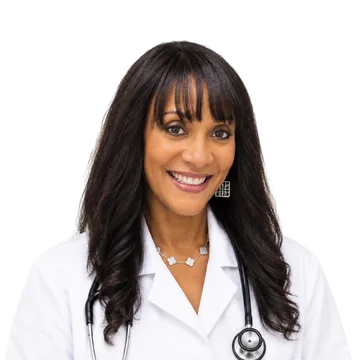 Medically reviewed by Vanessa Niles, R.N., M.D., F.A.C.O.G. —
Definition
Tryptophan, in plain English
Tryptophan is one of the essential amino acids, which means the body can't make it and must get it from food, as MedlinePlus explains. Protein-rich foods supply it.
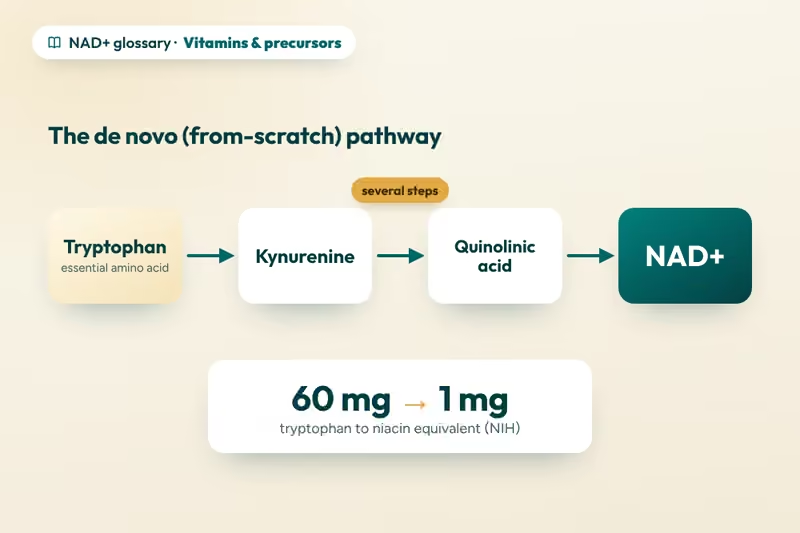
Through a long chain of reactions called the kynurenine pathway, the body turns part of the tryptophan you eat into NAD+. This is the body's 'de novo,' or from-scratch, route to NAD+.
- Type
- Essential amino acid
- Conversion
- 60 mg → 1 mg niacin
- Route
- Kynurenine (de novo) pathway
How it connects
How tryptophan relates to NAD+
Because of this conversion, niacin needs are counted in niacin equivalents (NE). NIH defines 1 mg NE as 1 mg of niacin or 60 mg of tryptophan.
For your treatment
What tryptophan means for NAD+ therapy
Most people meet their niacin needs from a mix of niacin and tryptophan in food. Tryptophan supplements aren't part of NAD+ therapy; tell your provider if you take them.
- Free online consultation with a licensed U.S. provider
- NAD+ nasal spray or injection, plans from $166 a month if prescribed
- NAD+ has no FDA-approved use; compounded NAD+ isn’t FDA-approved
Questions
Tryptophan: common questions
What is tryptophan?
Tryptophan is an essential amino acid found in protein foods. The body can turn some of it into niacin and NAD+: about 60 mg of tryptophan yields 1 mg of niacin.
Can I raise NAD+ by eating more protein?
Protein supplies tryptophan, which the body partly converts to NAD+, but there's no evidence that extra protein meaningfully raises NAD+ in healthy people.
What's a niacin equivalent?
A unit that counts niacin from food plus niacin made from tryptophan: 1 mg NE equals 1 mg of niacin or 60 mg of tryptophan.
Can I take precursors with NAD+ therapy?
Combining them hasn't been studied. Tell your provider about any NR, NMN, niacin or other supplements before you start.
Can I get enough NAD+ from food?
Food supplies niacin and tryptophan, which your body turns into NAD+, and NIH says most people in the U.S. get enough niacin. NAD+ in food is largely broken down during digestion.
Do precursors and NAD+ therapy do the same thing?
Both aim to raise NAD+, by different routes: precursors are converted by the body, while spray and injections deliver NAD+ itself. They haven't been compared in trials.
Keep learning
Related NAD+ terms
Terms that connect to tryptophan, each explained on its own page.
- Vitamins & precursorsNiacinNiacin is vitamin B3, an essential nutrient the body turns into NAD and NADP. It includes nicotinic acid and nicotinamide and comes from foods such as poultry, fish, nuts and grains.
- Vitamins & precursorsNAD+ precursorAn NAD+ precursor is any molecule the body can turn into NAD+. The main ones are tryptophan, nicotinic acid, nicotinamide, nicotinamide riboside (NR) and nicotinamide mononucleotide (NMN).
- MoleculesNAD+NAD+ is the oxidized form of nicotinamide adenine dinucleotide, a coenzyme found in every living cell. It carries electrons for energy metabolism and is used by enzymes involved in DNA repair.
- Enzymes & pathwaysNAD+ salvage pathwayThe NAD+ salvage pathway recycles nicotinamide, which is released whenever enzymes use NAD+, back into NAD+. It's the main way most human cells keep their NAD+ supply topped up.
Guides that cover tryptophan
Official sources
Tryptophan: sources and official resources
Official government and research sources behind this page, so you can check the facts yourself.
- MedlinePlus (National Library of Medicine)Amino acids
Essential amino acids, including tryptophan, must come from food.
- NIH Office of Dietary SupplementsNiacin: Health Professional Fact Sheet
Explains how the body turns niacin (vitamin B3) into NAD, a coenzyme used by more than 400 enzymes.
- NIH Office of Dietary SupplementsNiacin: Fact Sheet for Consumers
What niacin (vitamin B3) does, how much adults need and which foods provide it.
- NIH PubMed CentralCovarrubias et al. NAD+ metabolism and its roles in cellular processes during ageing (2021)
Review of how NAD+ works in cells and how levels change with age.
Medically reviewed by Dr. Vanessa Niles, R.N., M.D., F.A.C.O.G., on October 12, 2026. This glossary is general education, not medical advice. NAD+ has no FDA-approved use, and compounded NAD+ is not FDA-approved or evaluated by the FDA for safety or effectiveness. Talk with a licensed provider before starting any supplement or treatment.
Questions about NAD+? Ask a provider
Book a free online consultation. A licensed U.S. provider reviews your health and, if NAD+ fits, prescribes the nasal spray or injection, with plans from $166 a month.
Book a free consultation